
The Client & Asset
Client: Leading multinational mining company.
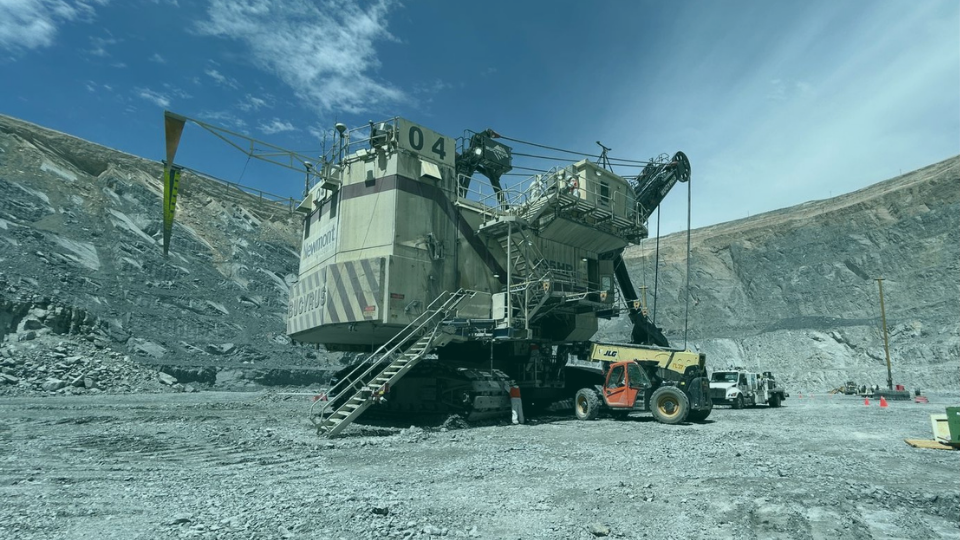
Monitored asset: A Bucyrus 495HR electric mining shovel — a mobile, intermittent-operation machine running under variable loads, in a harsh environment, with no fixed inspection schedule. A failure on this type of asset means immediate production stoppage and emergency repair costs in the millions.
The Challenge: Why Mobile Mining Equipment Is Hard to Monitor
Electric mining shovels are among the hardest assets to monitor continuously. They move, they stop, and they run under constantly changing loads — all in high-noise, high-vibration environments with no fixed inspection schedule.
The economics make it worse. Traditional wired sensors are up to 400% more expensive to implement on mobile equipment, and conventional wireless sensors generate false alerts on intermittent assets, wasting an average of 43.5% of their battery capturing irrelevant data.
The Solution: Wireless Sensors Built for Intermittent Assets
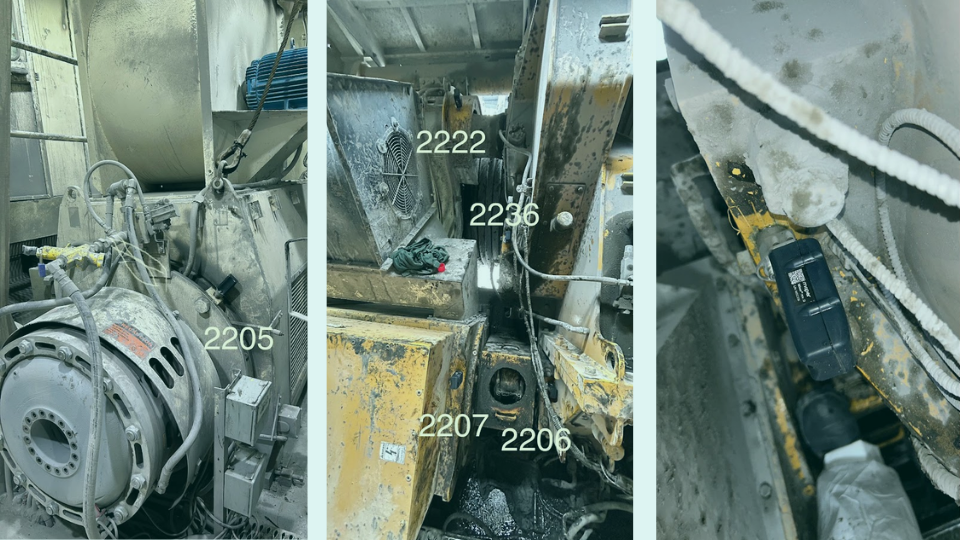
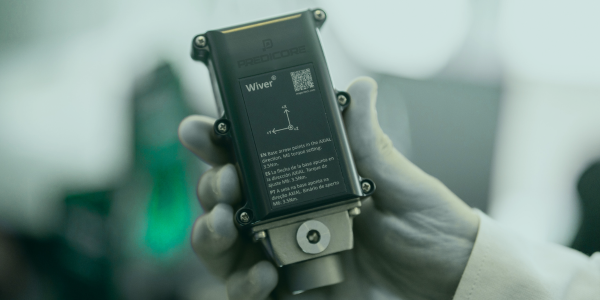
Predicore deployed Wiver™ IM wireless sensors — designed specifically for intermittent and mobile assets — across the hoist, crowd, and swing gearboxes, measuring every 5 minutes with triaxial vibration and temperature.
The Faults Detected
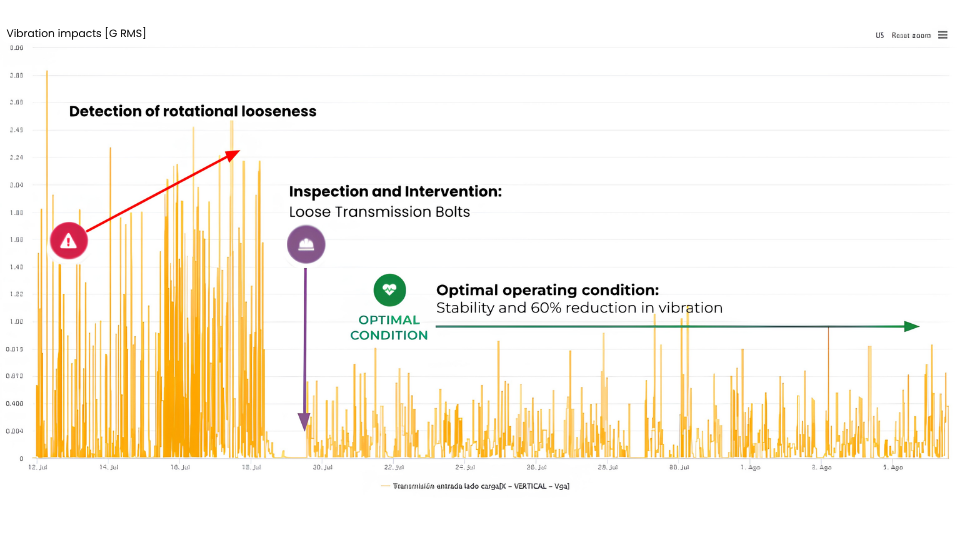
Finding 1 — Motor Brake Looseness (Rotational Looseness)
Predicore AI™ detected a progressive increase in impact-type vibration on the hoist transmission. The Monitoring Center guided an inspection — loose transmission bolts were found and tightened. Vibration dropped 60% and stabilized immediately.
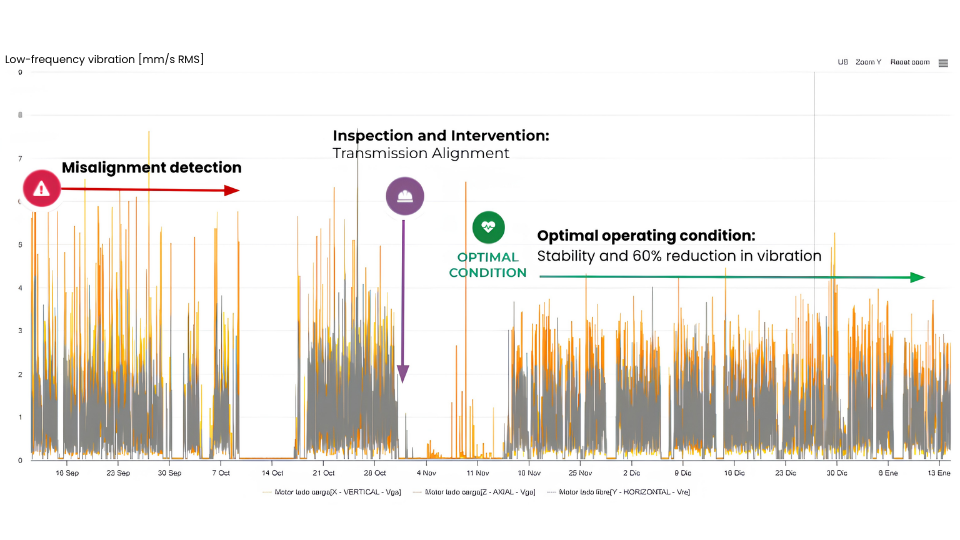
Finding 2 — Transmission Misalignment
Predicore AI™ flagged a sustained low-frequency anomaly on the crowd motor, consistent with misalignment. After a guided inspection and realignment, vibration decreased 60% and returned to optimal range.
Stats
Proven at scale. Trusted by operations that can’t afford to stop.
-
USD $167,000
Annual savings per shoverl
-
6
Faults detected per shovel / year
-
14 hours
Annual downtime avoided
-
Extended 2 → 3 years
Preventive maintenance interval
Frequently Asked Questions
How do you monitor vibration on mobile mining equipment? Mobile assets like electric shovels move, stop, and run under variable loads, so they need wireless sensors built for intermittent operation. Predicore’s Wiver™ IM sensors measure triaxial vibration and temperature every 5 minutes across the hoist, crowd, and swing gearboxes.
What faults can vibration monitoring detect on an electric shovel? Common detectable faults include rotational looseness, misalignment, imbalance, bearing damage, and lubrication deficiencies. On this Bucyrus 495HR, condition monitoring caught an average of 6 faults per shovel per year before any caused a failure.
Why are wired sensors more expensive on mobile equipment? Routing and protecting cabling on machines that move and operate in harsh conditions drives implementation costs up to 400% higher than on fixed assets — which is why purpose-built wireless sensors are the practical choice.
How much can condition monitoring save on mining equipment? In this case, early fault detection saved $167,000 per shovel annually, avoided 14 hours of downtime, and extended the preventive maintenance interval from 2 years to 3.
About Predicore
Predicore is a Maintenance Operations Intelligence platform that combines proprietary wireless sensors, purpose-built AI, and a 24/7 certified analyst team to detect equipment faults before they become failures — connecting asset risk with the people responsible for acting on it.