The Client & Asset
Client: Leading beverage manufacturing company.
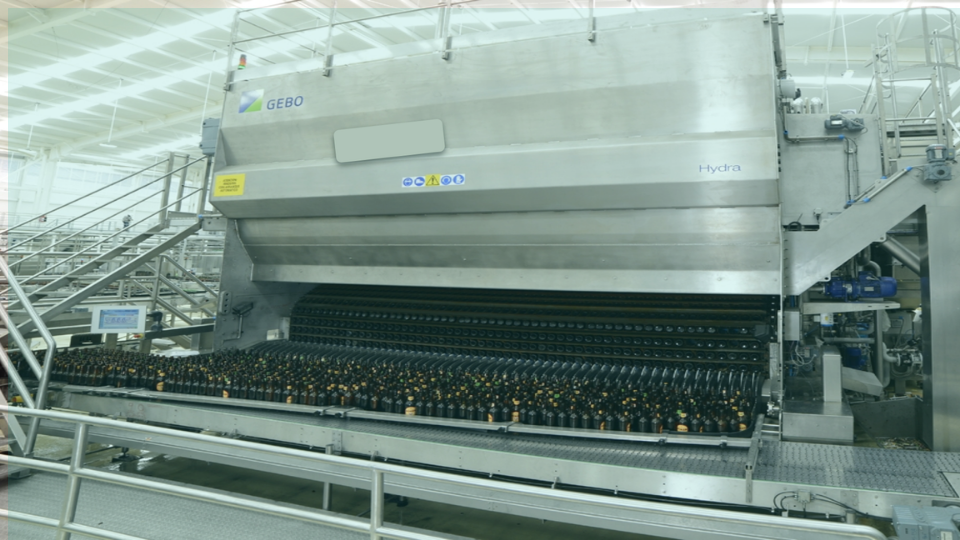
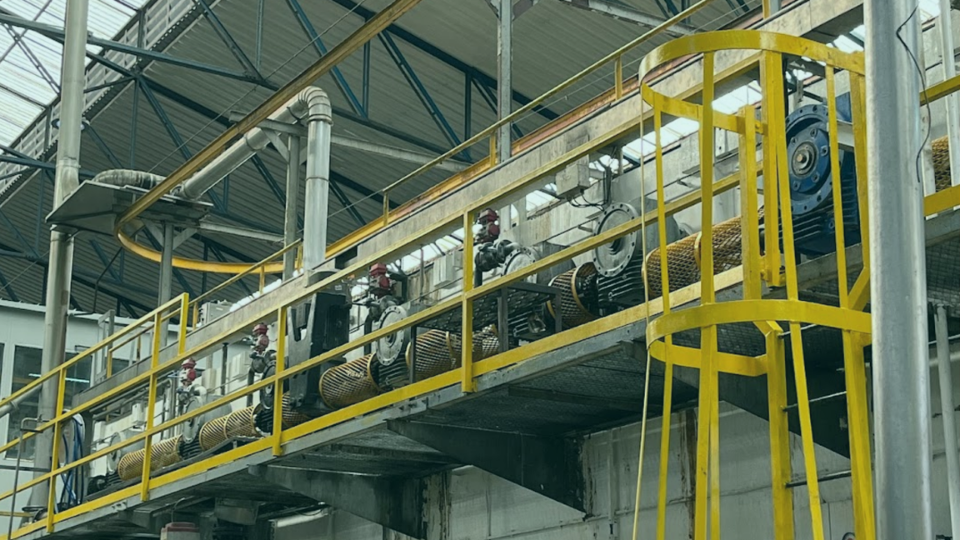
Monitored asset: A SIDEL 2010 filling machine with 90 filling valves, producing up to 36,000 bottles per hour across three formats. The line runs continuously between 24×6 and 24×7 depending on season. Any gearbox or motor failure requires a full line stoppage plus post-repair cleaning procedures — making unplanned downtime especially costly. Before Predicore, the estimated failure rate was one event every 3 months, with an average repair time of 8 hours per event.
The Problem: Early Gearbox Oil Loss Detected by Vibration
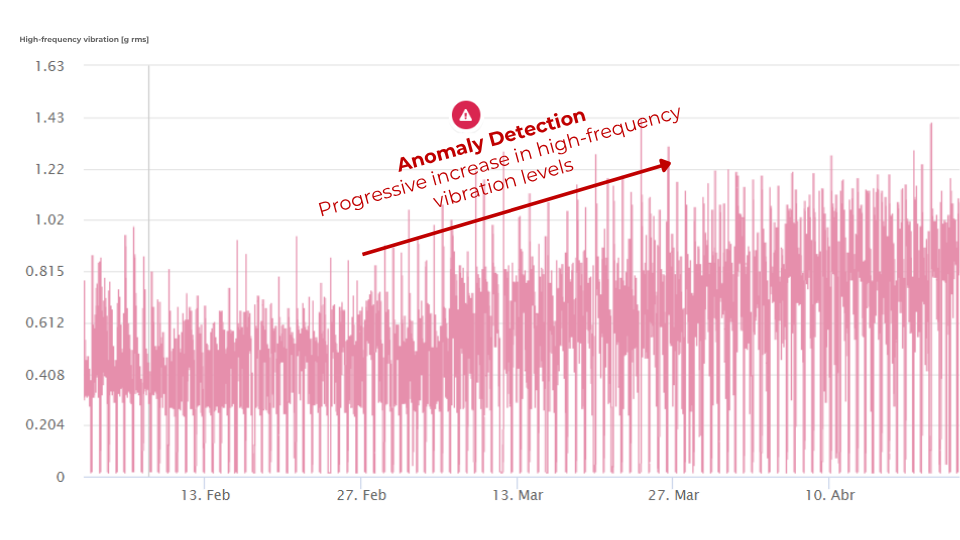
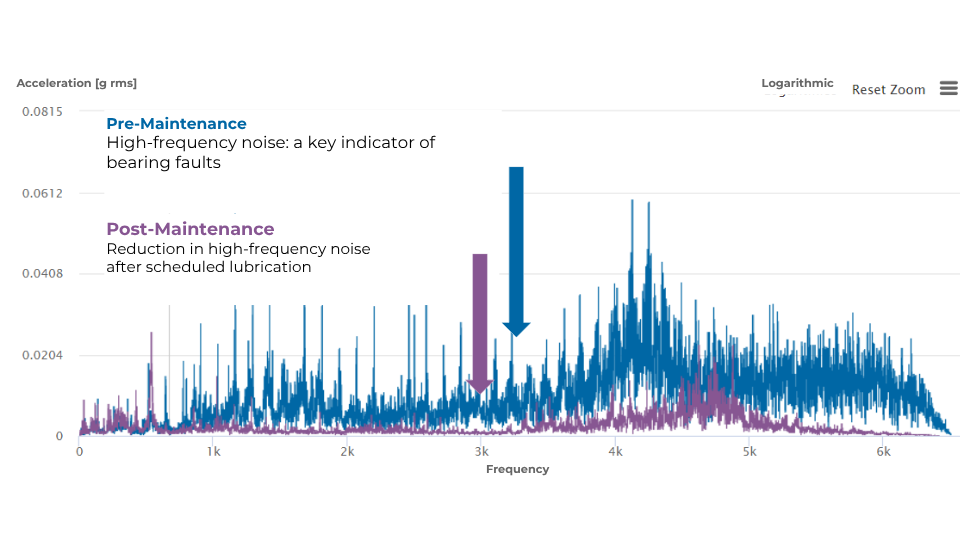
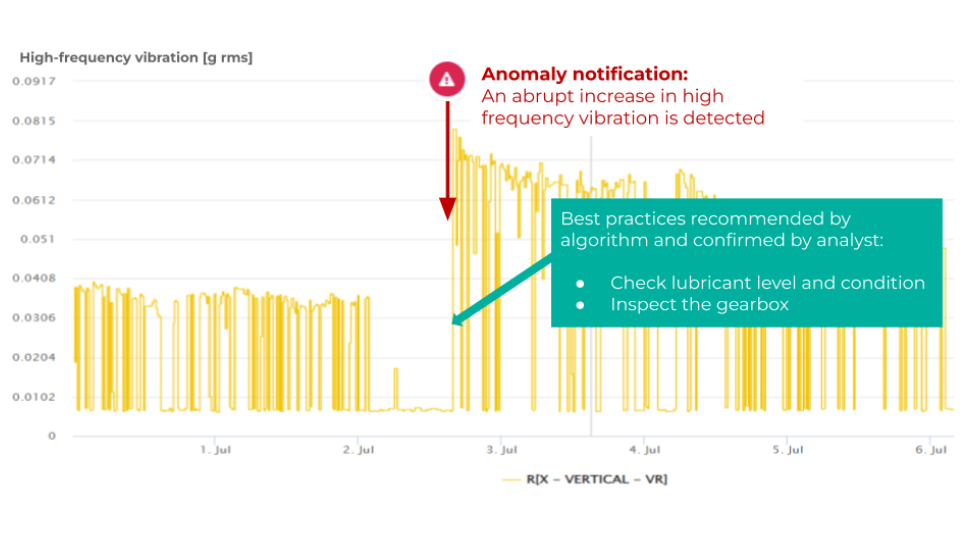
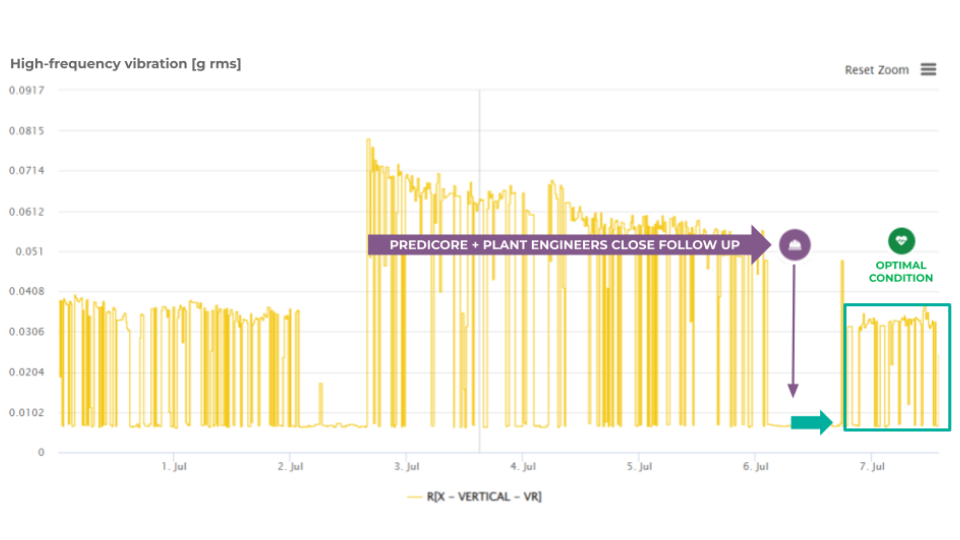
On October 18, 2022, Predicore AI™ detected a change in condition on Gearbox 2 of the filling machine, flagging an increase in high-frequency vibration. Cross-referencing against dozens of similar assets in the platform, the AI pointed to lubrication deficiency, contaminated lubricant, or rotating component friction as probable causes.
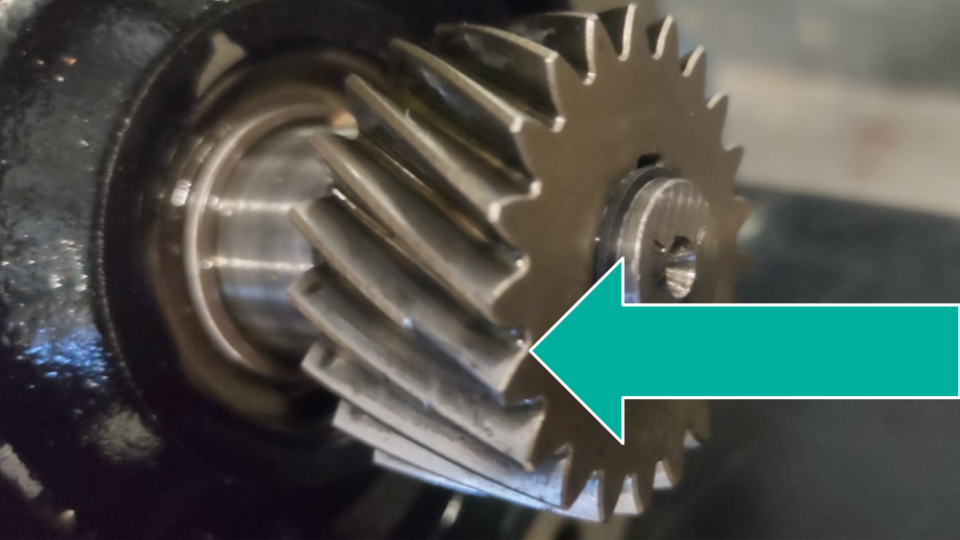
On inspection, the team found a low oil level in the gearbox due to oil loss — a fault that, left unaddressed, would have progressed to catastrophic gearbox failure during active production, triggering an unplanned stoppage and emergency repair on a line with no downtime buffer.
The Solution: A Planned Gearbox Replacement, No Emergency
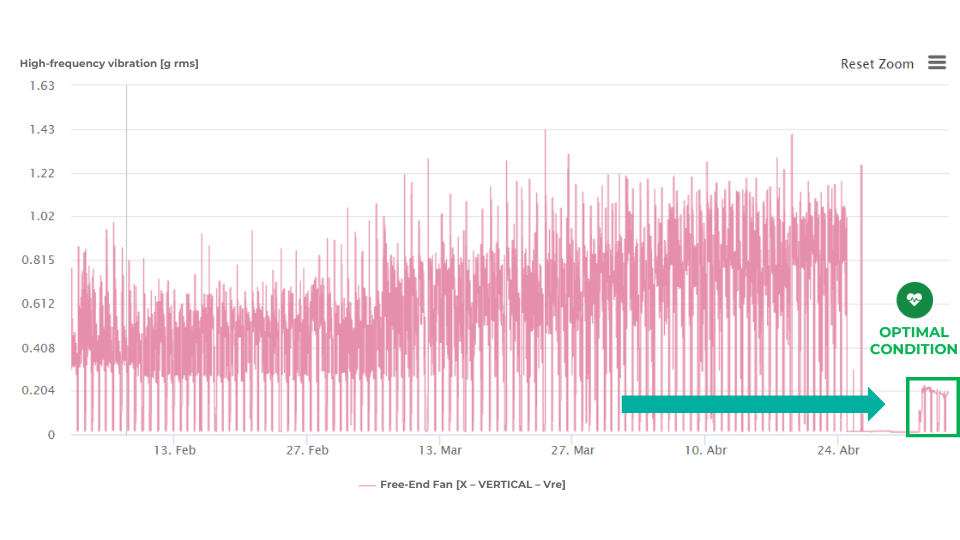
Following Predicore’s recommendations, the maintenance team inspected the oil level, analyzed an oil sample for metal particle contamination, and scheduled a planned gearbox replacement during the next programmed shutdown. Post-intervention vibration data confirmed the fault had been fully resolved and the asset returned to normal operating range.
Stats
Proven at scale. Trusted by operations that can’t afford to stop.
-
8 hours
Downtime avoided
-
$12,000
Gearbox savings
-
288,00 (350 ml)
Bottles protected
-
Planned — zero impact
Maintenance executed
Frequently Asked Questions
How is a gearbox fault detected before it fails? Continuous vibration monitoring tracks high-frequency signals that rise when a gearbox loses lubrication or develops friction. When readings cross a threshold, the anomaly is flagged and validated, often weeks before the fault would cause a failure.
Why is downtime so costly on a beverage filling line? A gearbox or motor failure requires a full line stoppage plus post-repair cleaning procedures. On a line running up to 36,000 bottles per hour with no downtime buffer, every hour lost represents tens of thousands of unfilled bottles.
What causes gearbox oil loss on a filling machine? Oil loss can stem from seal wear, leaks, or over-temperature operation, leading to low lubrication levels and rising friction. Early detection allows a planned oil top-up or gearbox replacement instead of a catastrophic in-production failure.
About Predicore
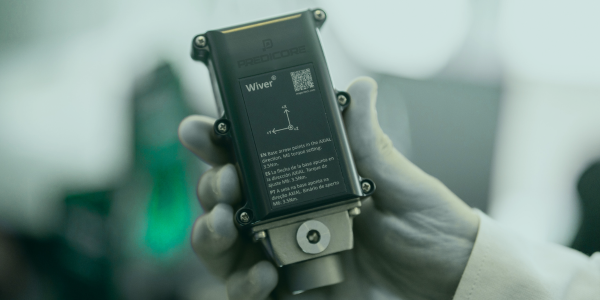
Predicore is a Maintenance Operations Intelligence platform that combines proprietary wireless sensors, purpose-built AI, and a 24/7 certified analyst team to detect equipment faults before they become failures — connecting asset risk with the people responsible for acting on it.